Field Notes: Winter Wildlife Along the Canal at Stockton
A short winter walk along the Grand Union Canal at Stockton was quieter than usual, but no less telling. With no boats moving through this stretch on the day, the canal felt settled and still, shaped more by people on foot than by traffic on the water.
Birdsong was present throughout the walk, carrying from the hedgerows and trees that line the towpath. Although visibility was limited by the season, the sound alone gave a sense of life moving through the corridor. Berries were still plentiful along sections of the path, hanging on well into winter and providing an important food source for birds at this time of year.
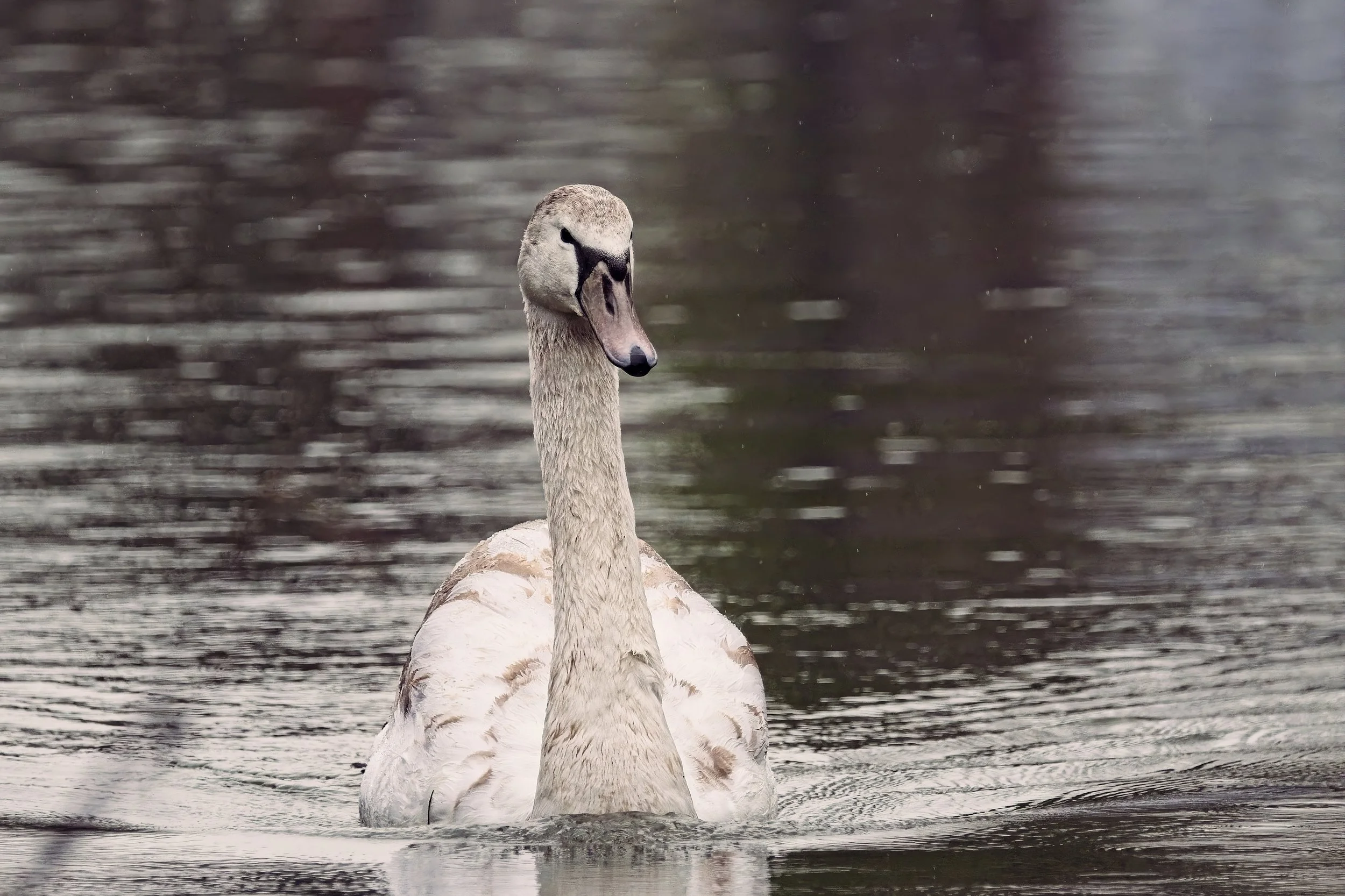
Wildlife sightings were modest but consistent. A family group of swans moved slowly along the canal, accompanied by ducks and a small number of Canada geese. They occupied the water comfortably, unhurried and undisturbed, making use of the calm conditions. Beyond these larger, more obvious birds, there was little else visible, which is typical for this stretch in colder months.
The towpath itself was far from empty. Dog walkers passed regularly, and runners used the firm surface for winter exercise. This steady human presence is part of the canal’s character, especially during the quieter boating season. Despite this activity, the birds appeared relaxed, suggesting a level of familiarity with people moving through the space.
What stood out most was the absence of boats. In winter weather, this stretch of canal often becomes a place of pause rather than movement. Without barges breaking the surface, the water remained undisturbed, allowing reflections to settle and wildlife to use the channel without interruption.
This walk offered a simple snapshot of the canal as a shared space. Not dramatic, not busy with species, but quietly functional as a wildlife corridor and a recreational route. These quieter visits are just as important to document, helping to build a realistic picture of how canals are used and experienced across the seasons.
As part of my ongoing work exploring canals as wildlife corridors, moments like this provide valuable context. They show how life continues even when activity is low, and how these waterways support both people and wildlife in subtle, everyday ways.