Field Notes: A Quiet December Walk at Brandon Marsh
A visit to Brandon Marsh in December has a very different feel to the same paths later in winter or early spring. The site was noticeably quiet, both in terms of people and wildlife, with the colder conditions and shorter days shaping how the wetland was being used.
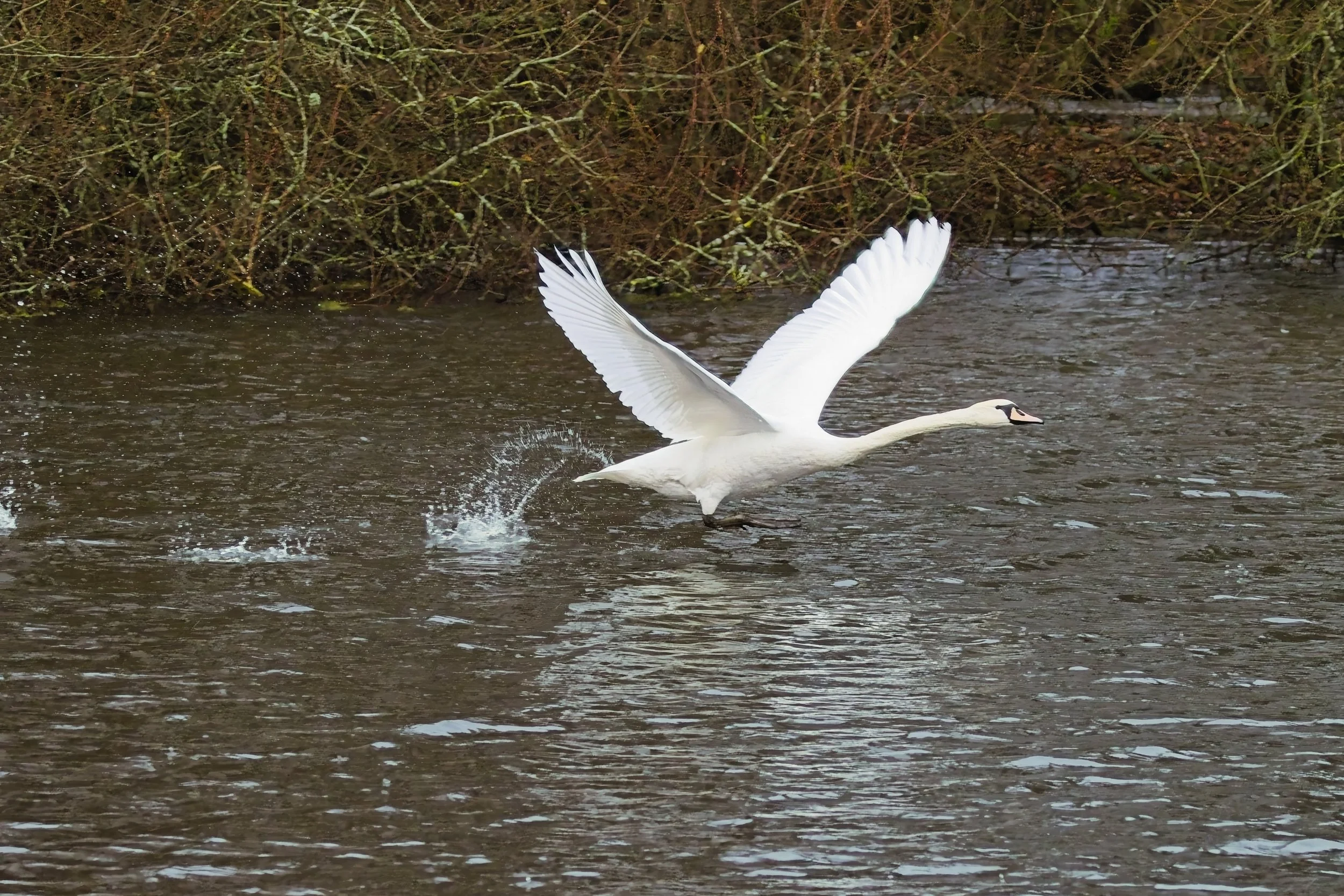
The pools and channels were calm, with long stretches of still water broken only occasionally by movement. Mallard ducks were present in small numbers, drifting quietly rather than actively feeding. Swans occupied the open water, largely settled and unhurried, using the reserve as a place of rest rather than activity.
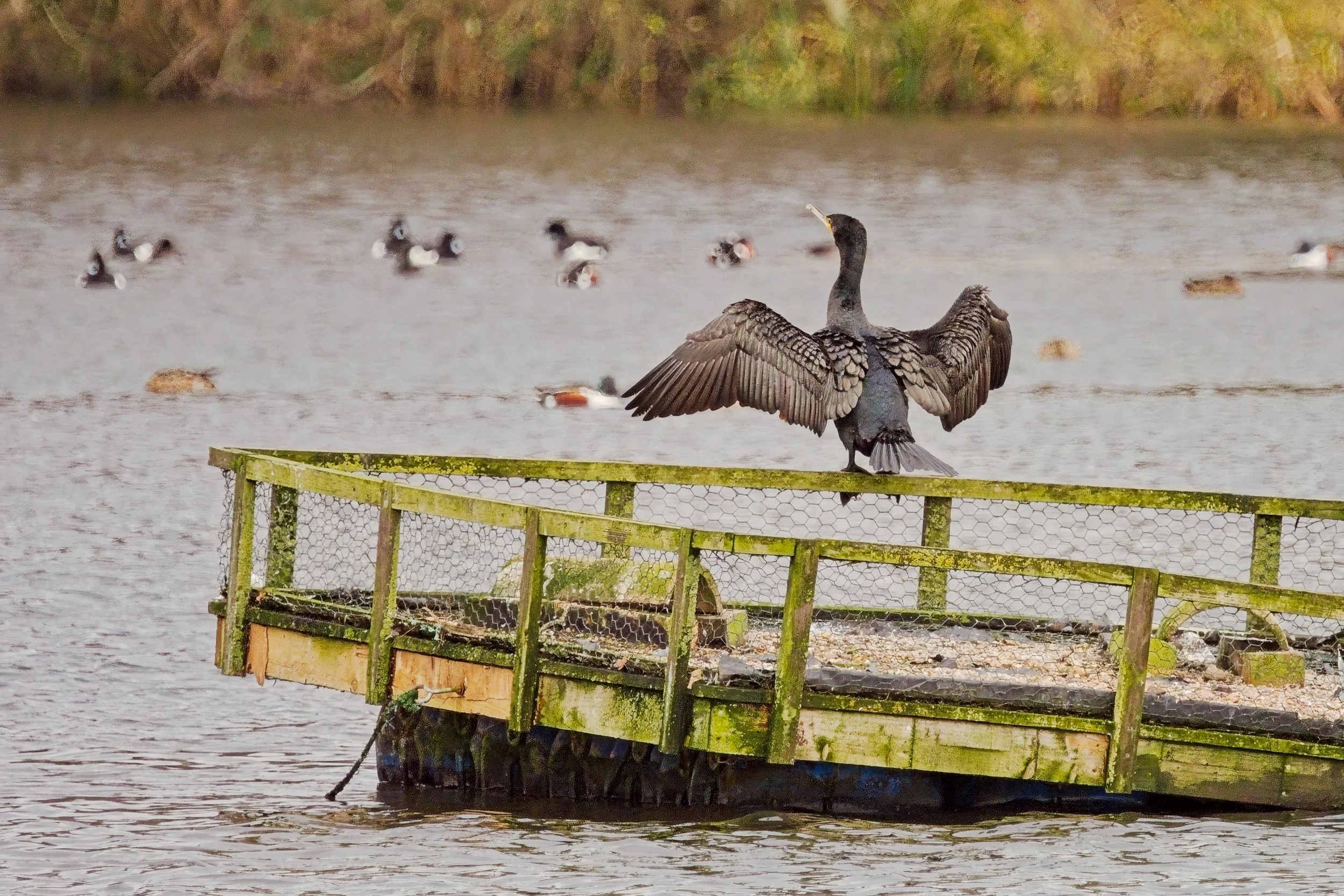
Cormorants were also visible, mostly perched and motionless, adopting their familiar patient stance. Rather than hunting, they appeared content to wait, conserving energy in the colder conditions. A heron stood alone near the water’s edge, barely moving for long periods, blending into the muted winter tones of the wetland.
This sense of restraint felt characteristic of the season. December is not a time of obvious abundance here. Instead, Brandon Marsh becomes a place of pause. Birds are present, but behaviour is economical and understated. Movement is minimal, and long periods pass without much change in the scene.
From a photographic point of view, this quietness is easy to overlook, but it tells an important part of the story. Winter wetlands are not always about large flocks or dramatic encounters. They are about survival, shelter and conserving energy. The birds that remain are making careful use of the habitat, taking advantage of the space and relative safety it provides.
Walking the reserve at this time of year highlights how seasonal change affects not just what species are present, but how they behave. The same paths that feel busy later in the year can feel almost empty in December, yet the value of the site remains clear. Even in its quietest moments, Brandon Marsh continues to offer refuge.
This visit forms an early winter reference point in my ongoing documentation of wetland birds in the Midlands. By returning across the seasons, these quieter moments become just as important as the more active ones, helping to build a more complete picture of how wetlands function throughout the year.