School Photography in the Age of AI: Protecting Pupils While Showcasing School Life
School websites have always relied on photography to tell their story. Images help prospective parents understand the culture of a school, the opportunities available to pupils and the atmosphere that makes each setting unique.
However, as artificial intelligence continues to develop, many schools and trusts are beginning to review how they use pupil images online. Questions that would have seemed unlikely just a few years ago are now becoming part of routine discussions around safeguarding, privacy and digital safety.
Can schools continue to showcase the wonderful things happening in their classrooms while also reducing potential risks associated with online images? Increasingly, the answer is yes.
A Changing Landscape
For many years, school photography focused heavily on smiling pupils looking directly at the camera. These images were often used throughout websites, prospectuses and marketing materials to help create a welcoming first impression.
While this approach remains common, some schools and multi-academy trusts are now introducing updated guidance around the use of pupil imagery online. The rapid growth of AI image generation and manipulation tools has prompted many organisations to consider how images may be used, altered or misused once they are publicly available.
As a result, schools are beginning to explore new approaches that balance effective marketing with sensible safeguarding considerations.
Telling the Story Without Showing Every Face
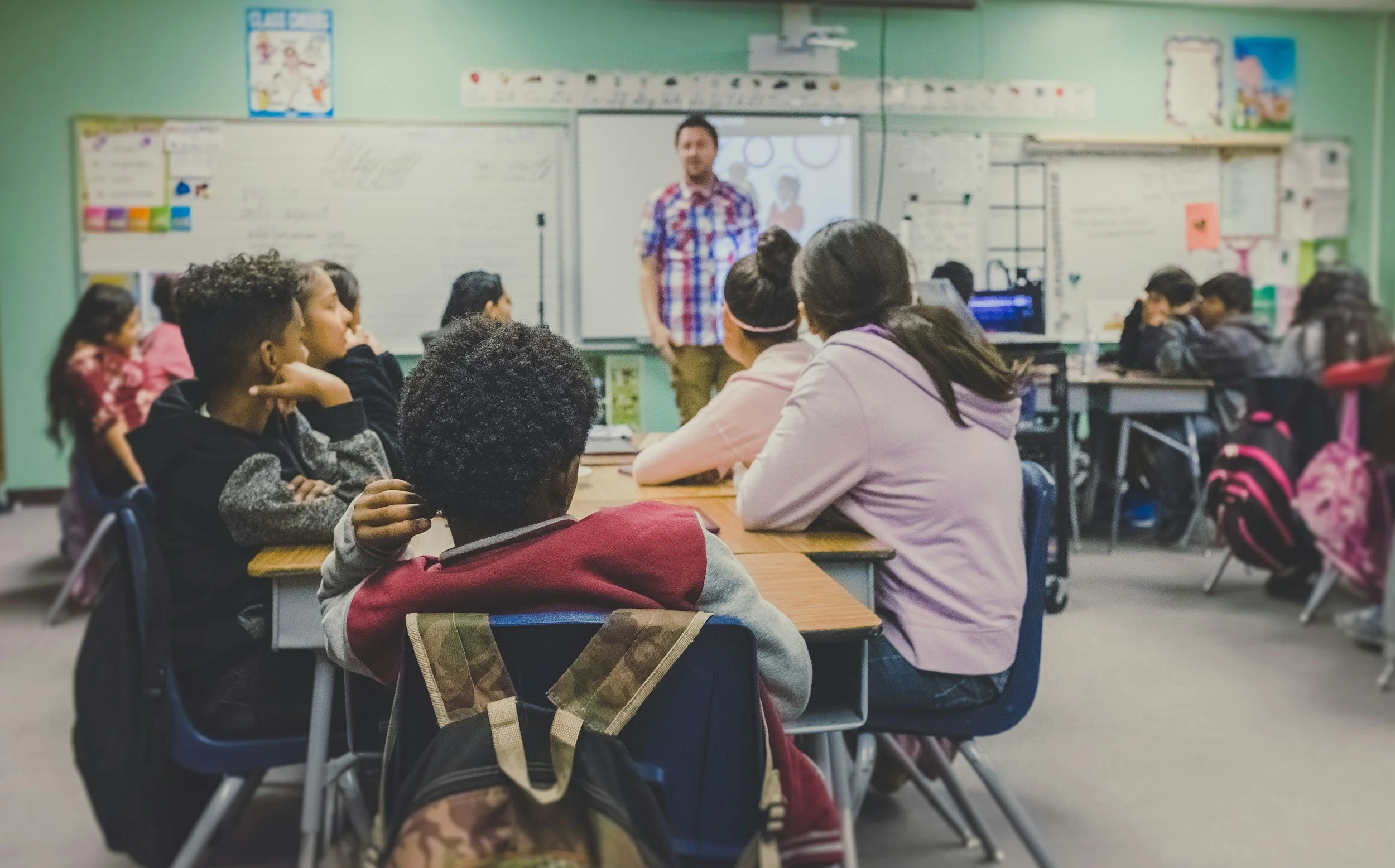
One of the interesting developments in recent years has been a shift towards more natural, documentary-style photography.
Rather than relying solely on pupils looking directly at the camera, schools are increasingly choosing images that focus on learning, collaboration and engagement.
Examples include:
pupils working together on practical activities
children reading or writing independently
classroom discussions
sports and outdoor learning
creative arts activities
over-the-shoulder learning shots
side profile images
These photographs often tell a richer story about school life while reducing the emphasis on individual portraits.
In many cases, they also feel more authentic because they capture pupils genuinely engaged in learning rather than pausing for the camera.
Authenticity Matters to Parents
As a former headteacher, I know that prospective parents are not simply looking for smiling faces on a website. They are trying to understand what daily life at a school actually feels like.
Parents want to see:
happy and engaged pupils
purposeful learning
positive relationships
opportunities beyond the classroom
a safe and supportive environment
The strongest school photography often communicates these messages through genuine moments rather than heavily staged images.
In many ways, the move towards more natural photography aligns perfectly with what parents are already looking for.
Photography and Safeguarding Can Work Together
Schools should never feel that safeguarding and effective marketing are competing priorities.
With careful planning, schools can create engaging visual content while remaining mindful of evolving digital risks and local guidance.
Professional school photographers can help schools think carefully about:
image composition
pupil positioning
group photography
website image selection
social media content
recruitment materials
The goal is not to stop showcasing school life. The goal is to do so thoughtfully and responsibly.
The Role of Professional Photography
School websites remain one of the most important tools for communicating with prospective families, current parents and future staff.
High-quality imagery helps schools demonstrate their values, celebrate achievements and provide an authentic window into daily life.
As expectations around online safety continue to evolve, photography is evolving too. Schools are increasingly finding ways to tell powerful stories through imagery while remaining mindful of the changing digital landscape.
The result is often photography that feels more natural, more authentic and more representative of real school life.
Looking Ahead
Artificial intelligence will undoubtedly continue to shape conversations around digital safety and online content in the years ahead.
For schools, the challenge is not whether to use photography, but how to use it well.
By focusing on authentic moments, purposeful storytelling and thoughtful image selection, schools can continue to celebrate their pupils, showcase their achievements and communicate their unique culture while remaining mindful of emerging safeguarding considerations.
Done well, school photography remains one of the most powerful ways to tell the story of a school.