Understanding Headshot Styles: Choosing the Right Lighting for You
One of the questions I’m often asked before a headshot session is,
“What style of headshot should I go for?”
Most people don’t come with a strong preference, and that’s completely fine. Part of my role is to guide clients towards a lighting style that suits both them and how the images will be used. Subtle changes in lighting can have a big impact on how a headshot feels, from soft and approachable to confident and sculpted.
Below are three of the most common lighting styles I use for professional headshots, along with how they differ and what effect they create.
Clamshell Lighting: Clean, Soft and Approachable

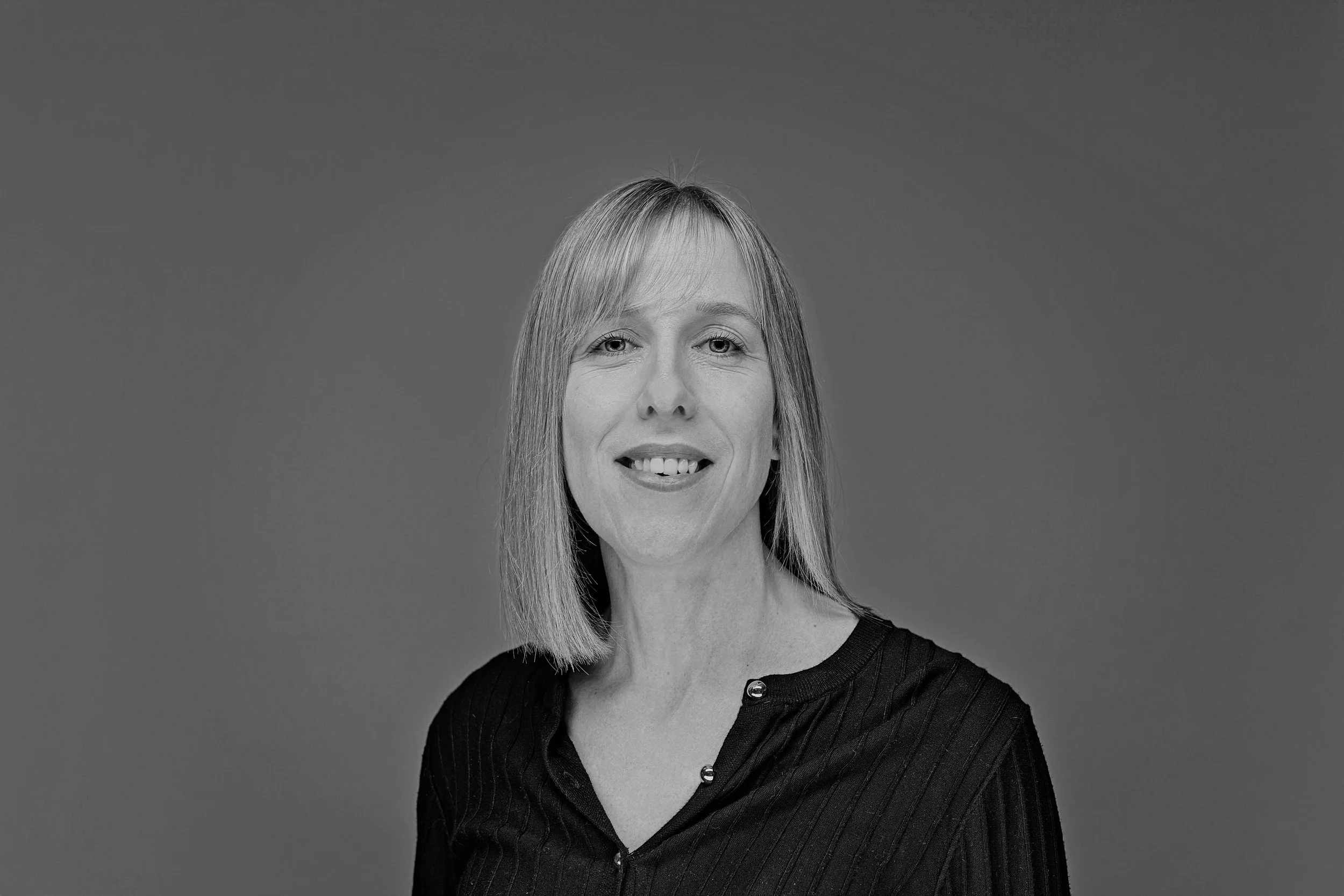
Clamshell lighting is one of the most flattering and widely used setups for headshots. It uses a main light positioned in front of the subject, with a second light or reflector placed below to gently fill in shadows.
The result is soft, even light across the face, with minimal shadowing. This style works particularly well for:
Corporate headshots
LinkedIn profiles
Team pages and websites
Clients who want a clean, friendly look
Because the light comes from the front and below, clamshell lighting produces bright, symmetrical catchlights in the eyes, often appearing as two soft highlights. These catchlights help bring life to the eyes and give the image a polished, professional feel.
This setup is ideal for people who want to look approachable and confident without dramatic contrast.
Peter Hurley Style: Bright, Modern and Confident

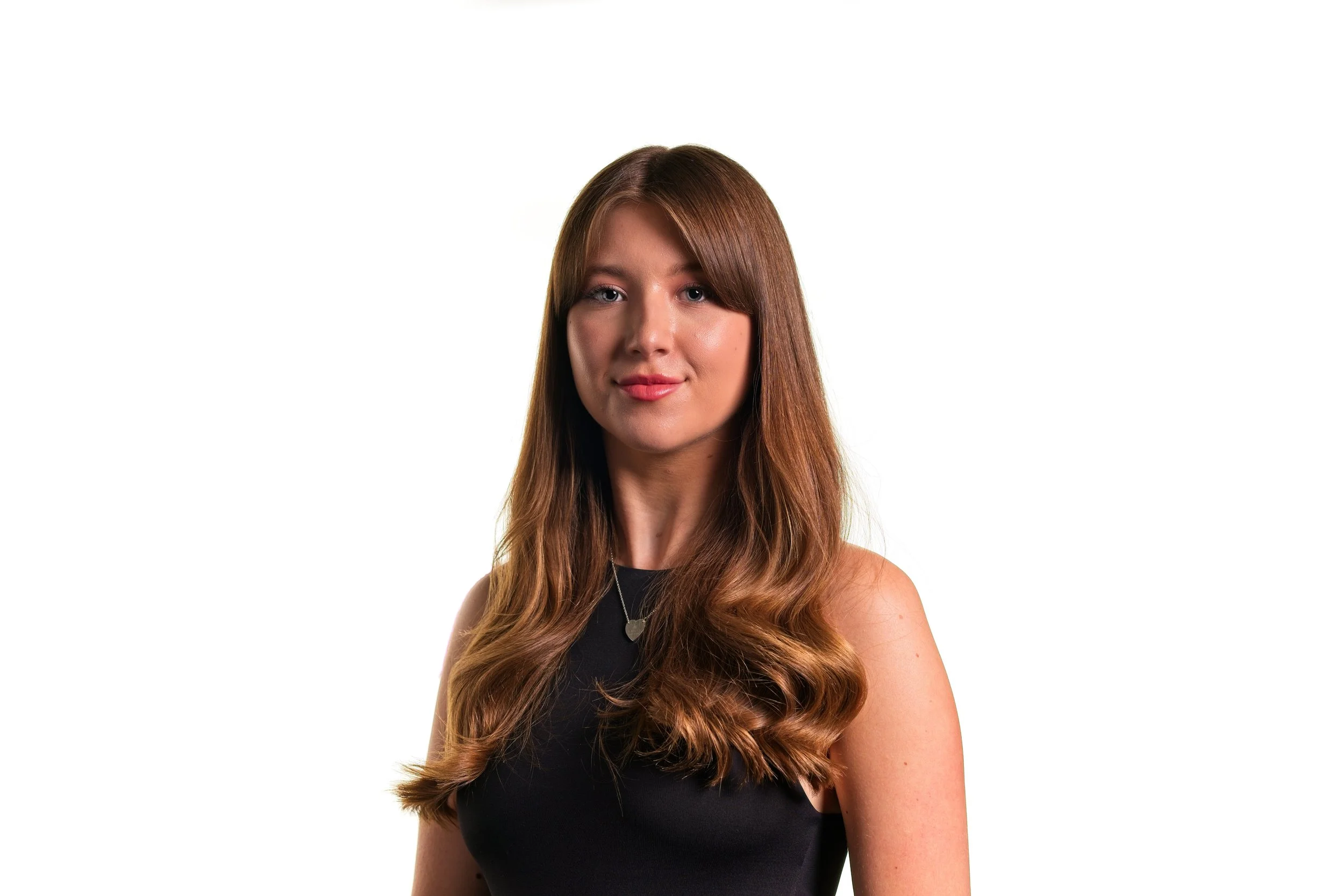
The Peter Hurley style is a more refined variation of clamshell lighting, often using multiple lights positioned carefully around the camera. It’s designed to create a very clean, high-end look with crisp detail and minimal shadow.
This style is popular for:
Executives and senior leaders
Personal branding
Actors, speakers and consultants
Clients who want a strong, confident presence
One of the defining features of this setup is the catchlights. They are usually very clear and evenly positioned, giving the eyes a sharp, engaging look. Shadows are kept to a minimum, but facial structure is still well defined.
The overall effect is modern, professional and confident, without feeling harsh. It works particularly well when clients want to project authority and clarity.
Rembrandt Lighting: Character, Depth and Shape

Rembrandt lighting is a more traditional setup that introduces stronger shadow and shape to the face. The main light is placed to one side, creating a triangle of light on the cheek opposite the light source.
This style is often chosen for:
Creative professionals
Editorial-style headshots
Speakers or authors
Clients who want a more character-led image
Because the light is more directional, shadows play a bigger role. This adds depth and structure, but it also means the lighting feels more dramatic. Catchlights are usually smaller and appear on one side, giving the eyes a more subtle sparkle.
Rembrandt lighting can be very striking when used well, but it’s not for everyone. It suits people who are comfortable with a slightly moodier, more sculpted look.
Choosing the Right Style for Your Headshot
There’s no right or wrong choice when it comes to headshot lighting. The best option depends on:
How the images will be used
The impression you want to give
Your own comfort and personality
During a session, I often show clients examples or test a couple of setups so they can see the difference for themselves. Small adjustments to light position, intensity and angle can completely change the feel of an image.
Most importantly, the lighting should support you, not distract from you.
Headshots That Fit You and Your Purpose
Professional headshots don’t need to be complicated, but they do benefit from thoughtful lighting choices. Whether you prefer a soft, approachable look or something with more depth and character, the goal is always the same: images that feel natural, confident and fit for purpose.
By understanding these common lighting styles, clients can feel more involved in the process and confident in the final result.